
As the new year begins, Canadian businesses are still facing the cyber security challenges of 2025. Last year introduced several trends that are now becoming persistent risks rather than temporary disruptions. From widespread outages to increasingly targeted cyber-attacks, organizations of every size are being pushed to rethink how they protect their technology, data, and operations.
Cyber security in 2026 is no longer only an IT concern. It is a core business risk that affects productivity, reputation, and revenue. Understanding what threats lie ahead is the first step toward reducing their impact.
Outages as a Warning Sign
Major system outages in 2025 served as a clear warning of what may become more common for cyber security in 2026. There were various causes of these disruptions including cyber attacks, vendor failures, or internal misconfigurations. All of these interruptions highlighted how dependent modern businesses are on technology.
These outages reinforced the growing importance of having documented procedures, tested data recovery plans, and strong compliance management. If your computer stopped working tomorrow, would you be prepared to compensate for the breakdown? When systems fail, organizations with clear processes recover faster and suffer less financial and operational damage.
The Evolution of Social Engineering
As sophisticated as cyber-attacks are becoming, a key weakness of most organizations is their personnel. As automation and artificial intelligence take over repetitive tasks, employees are performing fewer actions but holding more authority and access within systems. This shift makes individual users more valuable targets.

Cybercriminals are increasingly focused on user-based targeting, using phishing emails, impersonation, and manipulation to gain access through trusted individuals rather than technical exploits. At the same time, ransomware attacks continue to rise, often starting with a single compromised user account before spreading across an organization.
Training, awareness, and clearly defined access controls are critical to reducing these risks. Technology alone cannot stop social engineering without informed and prepared employees.
Vendor Concentration and Hidden Risk
An inevitable shift toward vendor consolidation is changing the vulnerability businesses face. organizations increasingly use larger vendors for critical services such as cloud hosting, productivity tools, and security platforms.
Many organizations do not realize how deeply connected their systems are to major vendors until an outage or breach occurs. A failure at one provider can impact thousands of businesses simultaneously.
Contingency planning is essential in this environment. Understanding vendor dependencies and having backup strategies in place can help limit exposure when disruptions occur beyond your control.
No organization can eliminate risk entirely. What separates resilient businesses from vulnerable ones is preparation. Incident response planning allows teams to act quickly, communicate clearly, and reduce confusion during a security event.
Having predefined steps for containment, recovery, and communication can significantly minimize damage. Businesses that plan ahead are better equipped to protect data, restore operations, and maintain customer trust when incidents happen.
Artificial Intelligence as a Double-Edged Sword
Artificial intelligence continues to shape cyber security in both positive and negative ways. When trained and implemented correctly, AI can analyze patterns across networks, identify unusual behavior, and detect threats faster than traditional tools. For example, a properly trained security system can learn what normal activity looks like for your business and alert teams only when something truly suspicious occurs.
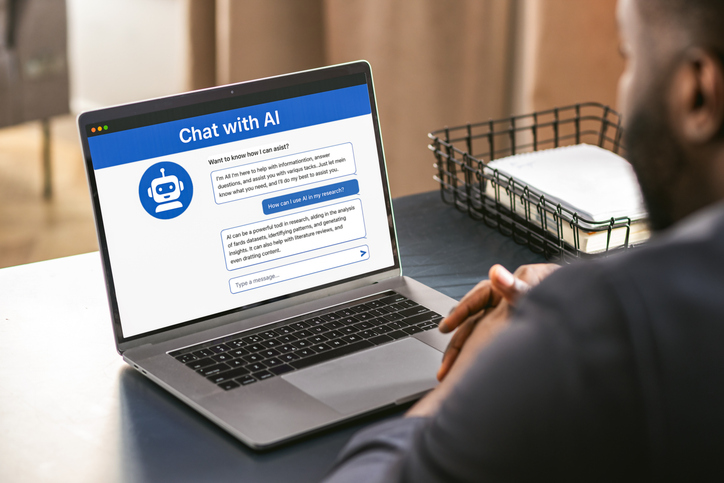
Conversely, improperly trained or poorly governed AI can create serious risk. Attackers are using AI models trained on stolen data and real communication patterns to generate highly convincing phishing emails and automate reconnaissance at scale. Even within an organization, AI tools deployed without clear oversight can make inaccurate decisions, expose sensitive data, or reinforce security gaps.
The key to using AI effectively lies in strong procedures and thoughtful implementation. Without clear guidelines, AI can introduce new vulnerabilities rather than solve existing ones. Businesses must balance innovation with governance to ensure AI strengthens security rather than undermines it.
The Continued Expansion of Digitization
Digitization is not a new topic, but its scope continues to expand. More business processes, customer interactions, and data storage are moving online every year. This increased reliance on technology raises the stakes when systems fail or are compromised.
As digitization grows, so must appropriate budgeting and planning. Security, maintenance, and disaster recovery should scale alongside technology adoption. Treating cyber security as an afterthought is no longer sustainable in a fully digital business environment.
What it Means for You
Canadian businesses face complex challenges for cyber security in 2026, but risk does not have to mean vulnerability. Strong technology comes from knowledge, preparation, and proactive decision making.
Understanding emerging threats allows organizations to prevent issues before they occur. Proactive planning, clear procedures, and informed users can significantly reduce the impact of cyber incidents.
The new year brings new threats, but also new opportunities to strengthen your security. Now is the time to assess risks, review procedures, and plan for the challenges ahead.
Reach out to a trusted technology partner and start proactively thinking about how these risks apply to your business today rather than reacting to them tomorrow.